

How many hours you should sleep?
When days are busier than usual, we treat sleep as the first thing to sacrifice. One more episode, one more scroll, one more email, and suddenly it’s well past midnight.


How many hours you should sleep?
When days are busier than usual, we treat sleep as the first thing to sacrifice. One more episode, one more scroll, one more email, and suddenly it’s well past midnight. But how much sleep is required? Does time matter? Do we need to sleep for longer hours? Here are some points we found from Cleveland Clinic, in simple terms.
The simple answer is 7 to 9 hours
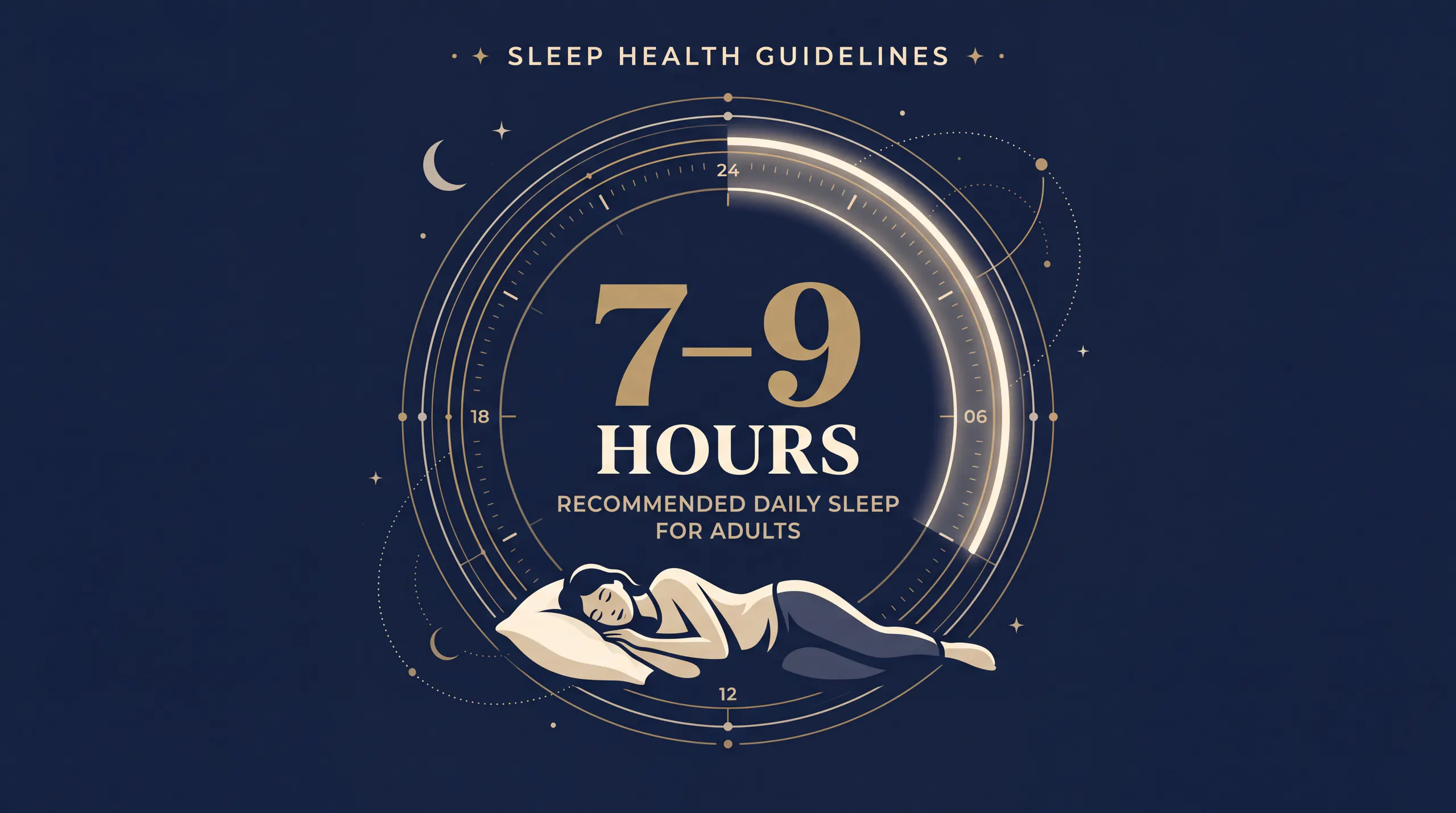
Yes, the simple answer is that adults should sleep 7 to 9 hours per night. That is a range, not a single target. According to Dr. Lance, the right number depends on the person.
For adults, the recommended range is 7 to 9 hours per night. That's a range, not a single target, and the range is the point. Dr. Lance stresses that the right number depends on the person. One adult may feel their best on 7½ hours, while their partner may need a full 9. If you land somewhere in the recommended window and feel good during the day, that's the most important sign you're getting enough.
“Everyone needs exactly eight hours”: However, numbers do not matter; instead, paying attention to how you feel matters a lot. Also, pay attention to your alertness in the afternoon. Or check the steadiness of your mood. Caffeine plays a vital role, so check that concentration is not disturbed. Such indicators will help you have a sound sleep.
What matters: quality or quantity

Relaxing for hours in bed looks cool only in the picture. If you want to have a good night's sleep through repeated cycles, it is important to check your sleep cycles. There are four sleep cycles: three stages of non-rapid eye movement (NREM) sleep and one stage of rapid eye movement (REM) sleep.
Special attention is needed for REM sleep. Dr. Lance says, “It is a time when your brain catches up on its rest”. While skimping on it, you may notice problems such as memory, mood, and concentration. This one reason can cut down your sleep and make you feel foggy and irritated.
Does the question of 10 p.m. arise in your mind?

A study of 88,000 adults in the UK suggests that 10 p.m. is the best time to fall asleep. So, if you are aiming for a bedtime routine, start with sleeping at 10 p.m. However, Dr. Lance idea of sleeping and waking time is different. She says it varies for each person, but consistency matters.
So when asking how many hours you should sleep, the related question of when to sleep deserves a personal answer. Find a bedtime that lets you get your 7 to 9 hours, then protect it.
The circadian rhythm: Science of Consistency
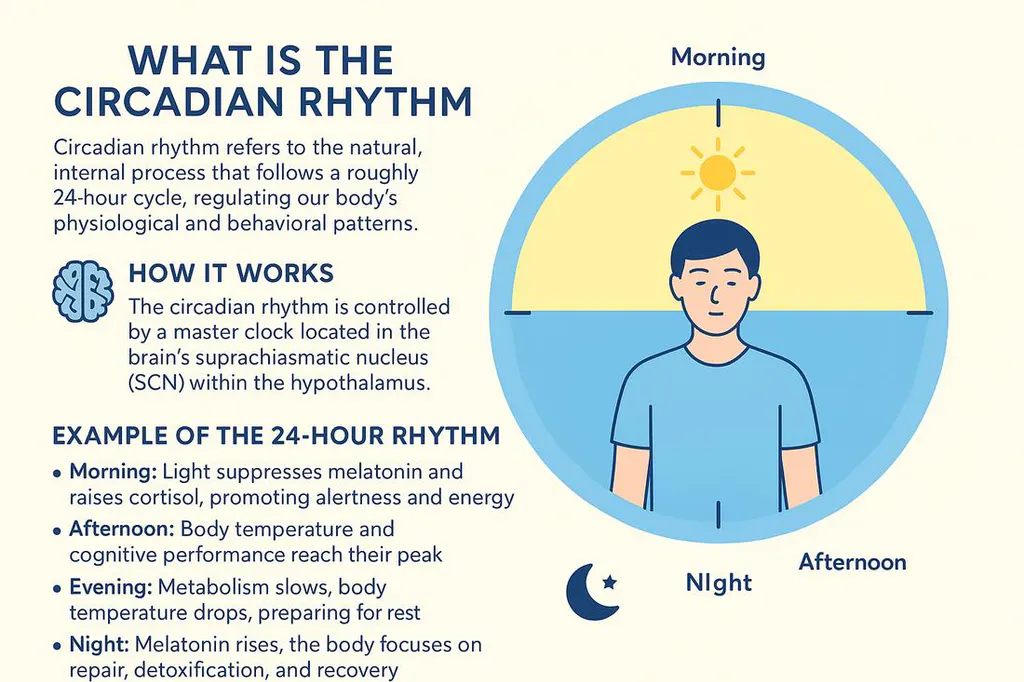
It is all about your internal clock. When the sun goes down and light fades, your brain triggers melatonin release. This signals the brain that evening has arrived and you need a good night’s sleep. This signals neurochemicals and prepares the body for better sleep.
Your sleep clock depends on your hormones, immune system, and digestion, which follow internal timing. When you manage your schedule, clocks align with each other. Dr. Lance gives a perfect example: if you routinely eat dinner at 10 p.m., it's hard to predict when you'll fall asleep, because your rhythm is thrown off.
And remember, sleep is a foundation of your health, and an inconsistent sleep cycle raises the risk of obesity and diabetes.
Tips for having better sleep
Struggling to get a steady sleep schedule? Here are some suggestions from Dr. Lance:
1. Manage your dinner timing: Pick a dinner time and stick to it. This will help reset your sleep-wake cycle. Two hours before bed, try to avoid snacking.

2. Consider having a small dosage of melatonin: Before starting any supplement, checking with your doctor is worth it. So, rather than having an extended-release, Dr. Lance recommends instant-release.
3. Maintain your sleep diary: Note down things such as when you go to bed, when you wake, and how you feel. This will help you and your doctor to spot patterns. In this way, you will be able to figure out whether you're getting enough rest.

4. Cut out naps: Taking naps is okay, but you may suffer from poor nights. When you wake up, your drive to sleep is at its lowest. A nap wipes out that built-up pressure, so you effectively start over.
5. Avoid alcohol and caffeine before sleep: Alcohol disrupts your sleep at night, but according to Dr. Lance, that is a myth. She says alcohol may make you drowsy and can affect your sleep cycle.

Think like a Child’s bedtime and manage your routine

Dr. Lance offers a memorable comparison. We give children a set bedtime and routine because we know what happens when they stay up as late as they like: the next day is rough. As adults, we forget that the same logic applies to us. A reliable routine isn't childish. It's one of the simplest ways to protect your health.
Putting it all together

Aim for 7 to 9 hours
Don't obsess over a magic bedtime.
Prioritize consistency.
Protect your REM sleep
Build supportive habits
Tonight, try switching off your phone a little earlier, skipping the late snack, and heading to bed at roughly the same time you did yesterday. Your body's many clocks will thank you, and so will your future self tomorrow morning.
Related articles


Are you unable to sleep without a Pill?
Had a sleeping pill for one bad week? And it worked, and you made it a habit. A few months later, you fell asleep all day. And later, you're awake till 3 a.m., feeling exhausted and tired. If it sounds familiar to you, then you are not alone.
Comments · 0 comments
Nothing yet. Yours would be the first.