

Are you unable to sleep without a Pill?
Had a sleeping pill for one bad week? And it worked, and you made it a habit. A few months later, you fell asleep all day. And later, you're awake till 3 a.m., feeling exhausted and tired. If it sounds familiar to you, then you are not alone.



Are you unable to sleep without a Pill? Here's How You Can Break the Cycle That Actually Works
Had a sleeping pill for one bad week? And it worked, and you made it a habit. A few months later, you fell asleep all day. And later, you're awake till 3 a.m., feeling exhausted and tired. If it sounds familiar to you, then you are not alone. Sleep medication is becoming a common issue these days. Side effects like insomnia can occur.
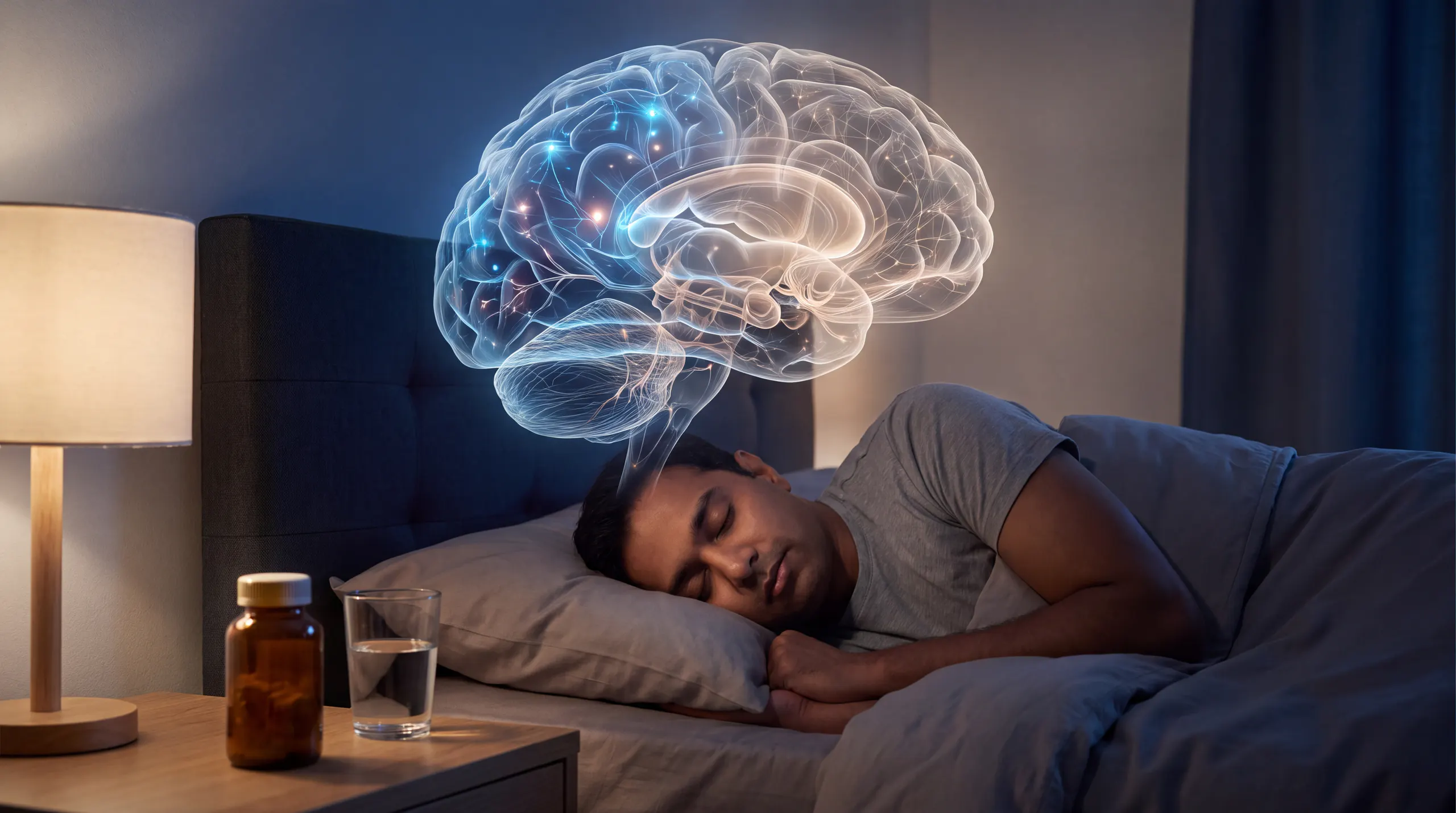
Why waking till 3 am is becoming a habit
Doctors usually recommend benzodiazepines like alprazolam, or "Z-drugs" like zolpidem work by dampening activity in the central nervous system. But they do not help you to fall asleep the way your body normally does. Medication disturbs your sedativeness and natural sleep. They are not biologically the same.
Basically, the problem is tolerance. With a few weeks of regular use, your brain becomes adapted to the presence of the drug. Receptors become less sensitive, and the same dose becomes less effective. Meanwhile, your body’s own sleep machinery releases melatonin and decreases cortisol. If you are not doing exercise, then the pill does its job instead.
Why stopping makes things worse before it gets better
When sedatives suppress the nervous system, this abruptly makes the activity return to the baseline. The result of stretching the nights is worse than the insomnia.
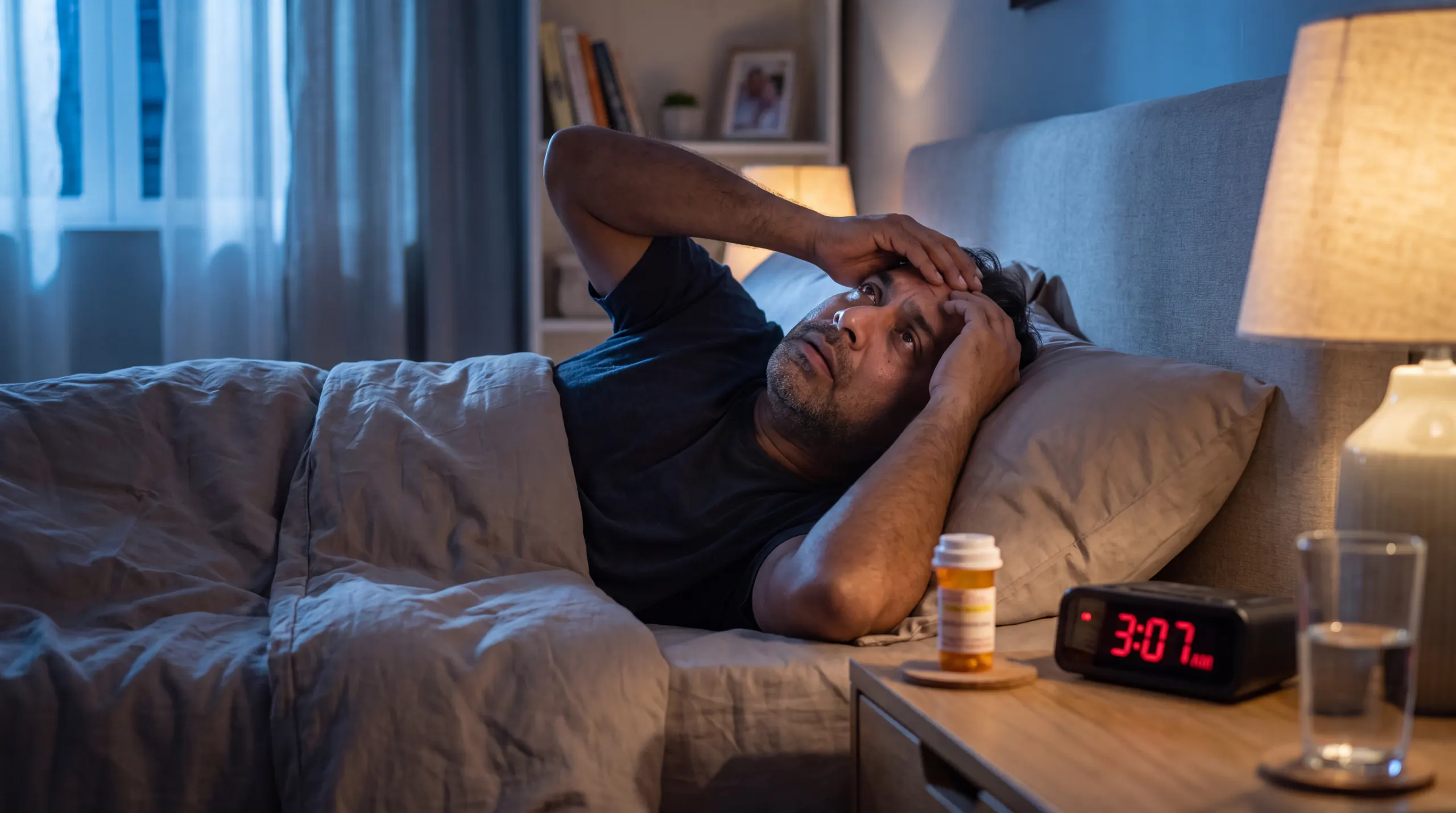
This does not mean that you are lacking willpower. If you have been prescribed benzodiazepines, a doctor’s supervision is required. This reduces the risk of serious withdrawal effects, which leads to higher dosage use.
Biologically, What's actually disturbing your sleep
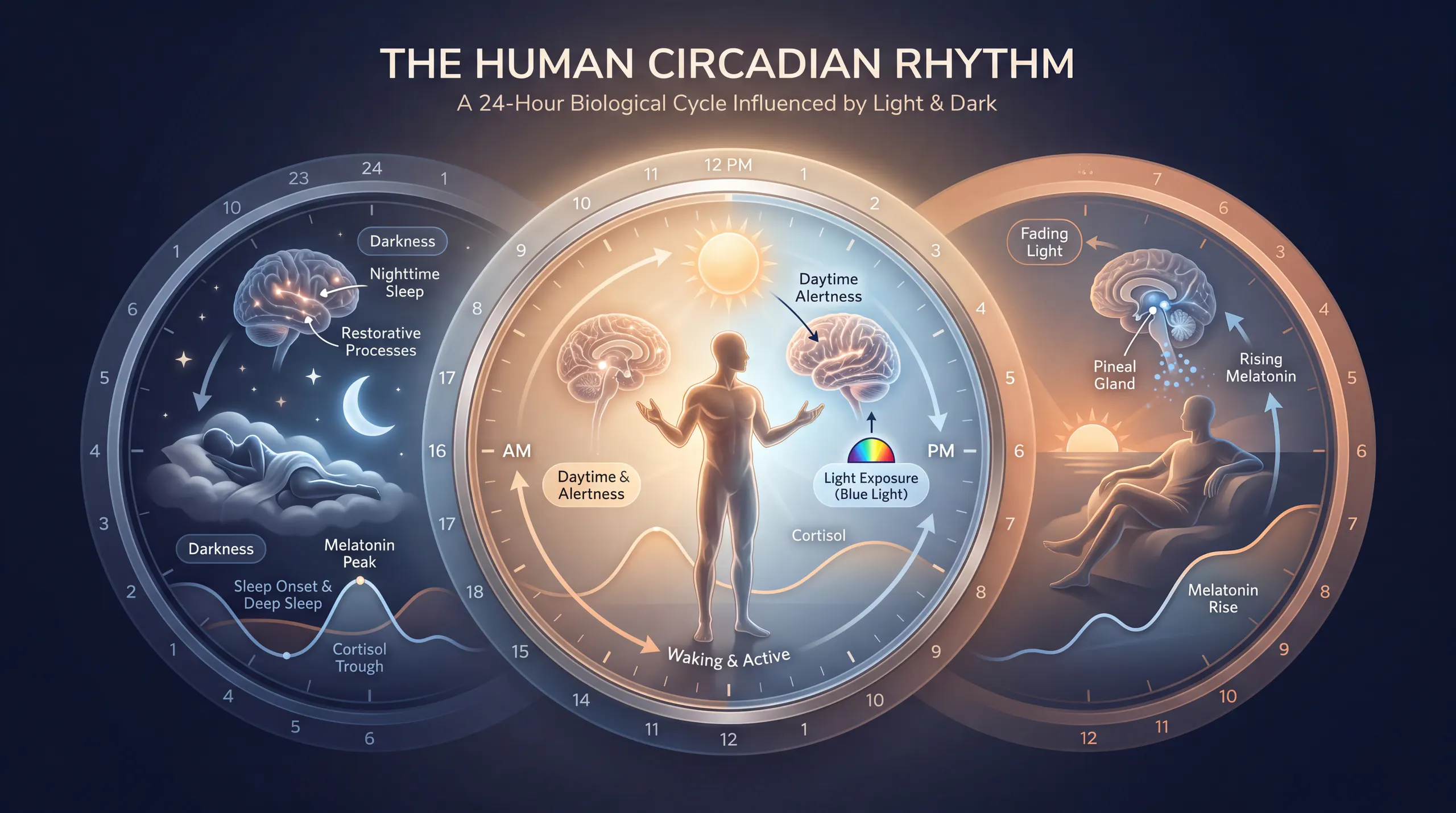
It is your circadian rhythm, a 24-hour internal clock governed by light exposure. As evening approaches and light fades, the brain releases melatonin from the pineal gland. Melatonin is a hormone that signals the body to wind down. There are several habits that you can change:
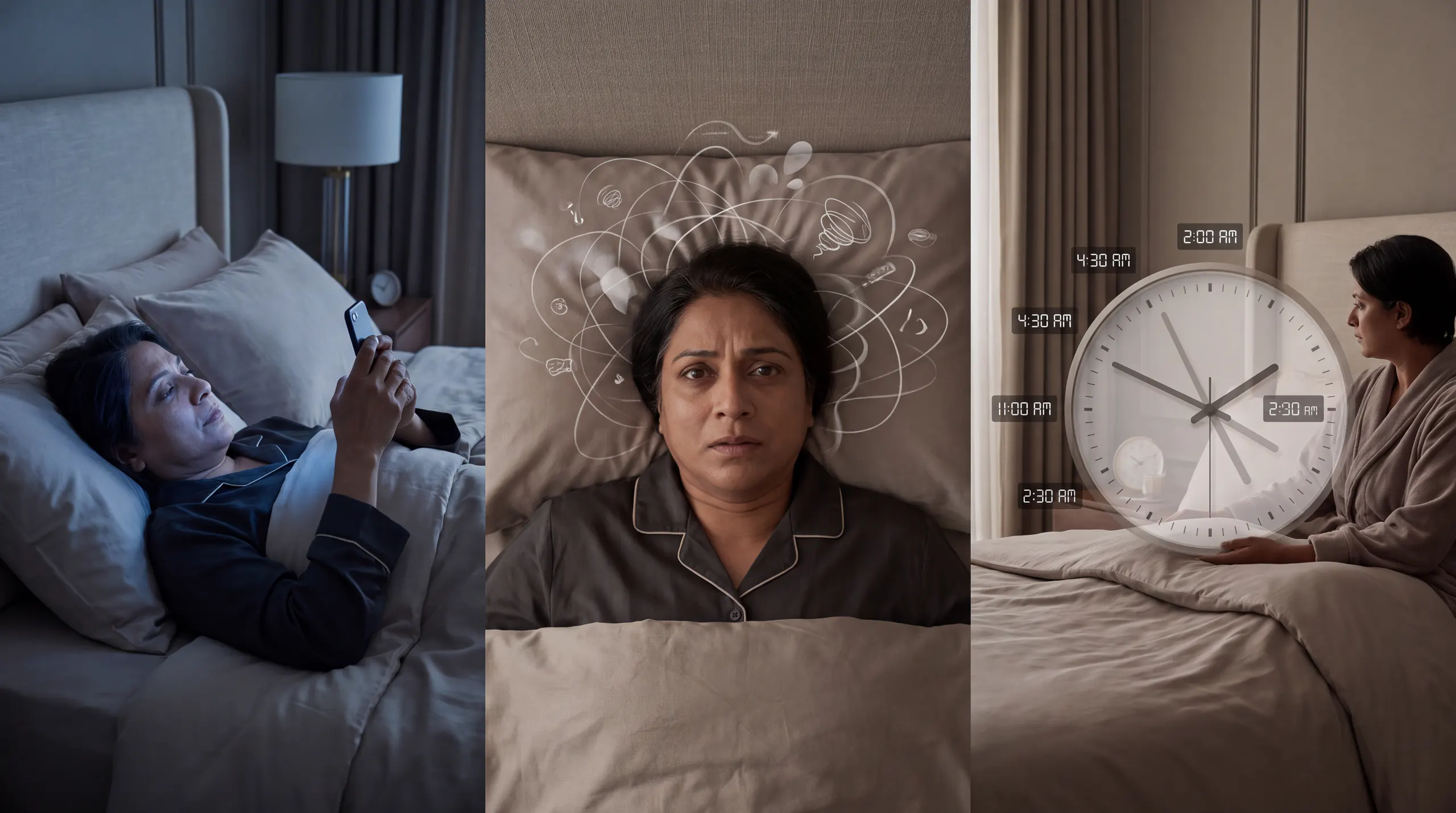
A sedative bypasses all of this rather than fixing it. That's precisely why medication can resolve a sleepless night without resolving the underlying reason sleep isn't happening naturally.
The good news is your sleep system should not be broken out of practice

Circadian rhythms with consistent cues disrupt natural sleep drive; this re-establishes itself in the transition window. According to Sleep researchers, this points to a few well-supported strategies for this period:
Cognitive Behavioral Therapy for Insomnia (CBT-I): Create a fixed wake-up time: A wake-up time is necessary. This is a stronger circadian clock. Getting up at the same hour, which includes weekends, stabilizes sleep more than any single bedtime ritual.

Morning light exposure: From 10 to 20 minutes of natural light, the waking schedule gets disturbed. So, setting a clock time for the day is necessary. Hence, in such a way, Melatonin releases for 14-16 hours.

Wind-Down buffer: Dim your lights and stay away from screens for at least an hour. And sleep tightly.
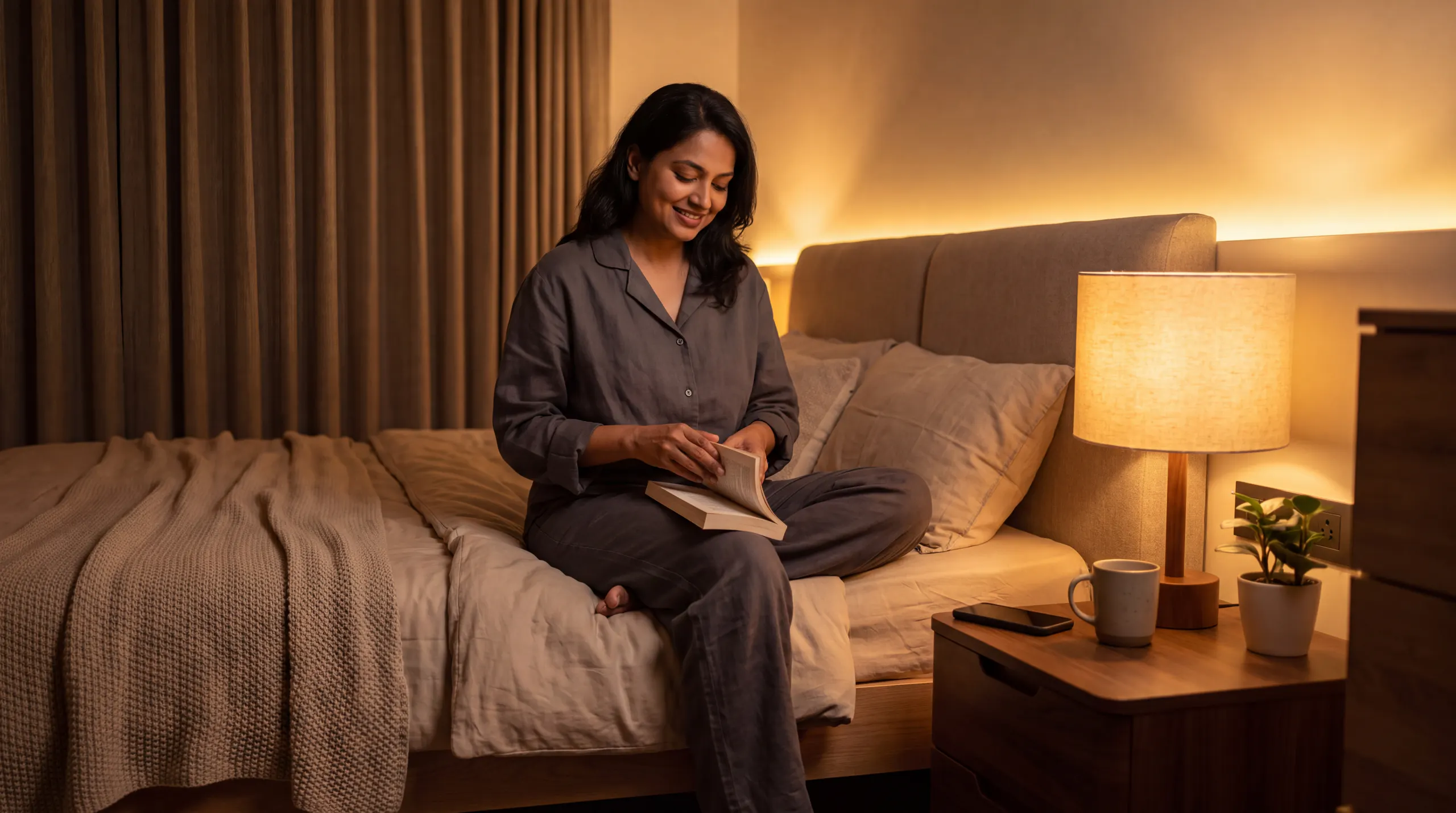
Temperature and caffeine: A natural drop in the body temperature accompanies sleep onset. Caffeine is worth cutting off by early to mid-afternoon.

Melatonin supplementation: Low doses disrupt the circadian signal, and sedative hypnotics carry the same dependence. So, it is important to discuss with a doctor if you are tapering off a prescribed medication.
When to Involve a Doctor or Sleep Specialist

Depending on the pill, it can interfere with you in mild cases, but clear moments and self-help are not enough. Pushing yourself can be risky. Here is when it is time to take it professionally:
1. Taking a Prescription Sleep Medication
Never reduce a prescribed sleep aid like benzodiazepines or Z-drugs. Such medication triggers withdrawal symptoms like anxiety, tremors, and insomnia. In some cases, it can cause seizures. So, see a doctor to minimise risk while you transition to non-medication strategies.
2. Using Sleep Aids for More Than a Few Weeks
Most of the time, sleep medications include antihistamines, which are meant for short-term use. If you rely on something for a full month, your body may have adapted to the uncomfortable environment. In such a case, a doctor can help you with dependency and can recommend you for a safer path.
3. What are Withdrawal-like Symptoms
Sweating, increased heart rate, heightened anxiety, or worsening insomnia are signs that your body has become physically dependent. These symptoms require medical guidance.
4. Insomnia is becoming a deeper issue
Most of the time, pills mask is essential. A sleep specialist for a screening is required:
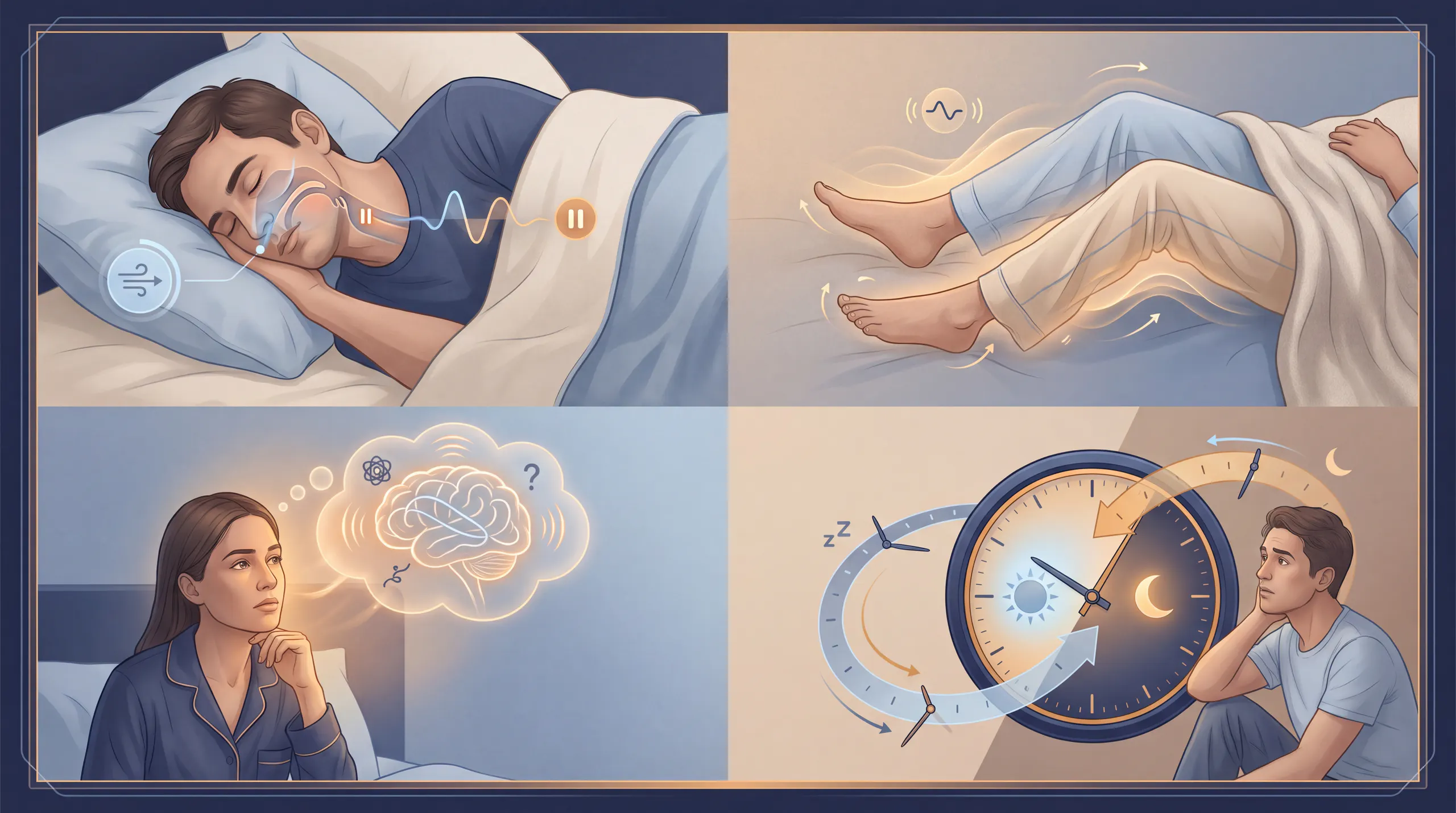
Addressing the root causes treats the pill dependency, which can lead to relapse.
5. You've Tried Self-Guided Changes Without Success
If you've experimented with sleep hygiene improvements, wind-down routines, and basic CBT-I techniques from books or apps for several weeks with little progress, it's a sign you may need structured support. A trained CBT-I therapist can tailor the approach to your specific patterns — something generic advice often can't do.
6. Sleeplessness Is Affecting Your Daily Life
If exhaustion is impairing your work, driving safety, mood, or relationships, this isn't just an inconvenience. It's a health issue that deserves proper evaluation, not just willpower.
What a Sleep Specialist Can Offer
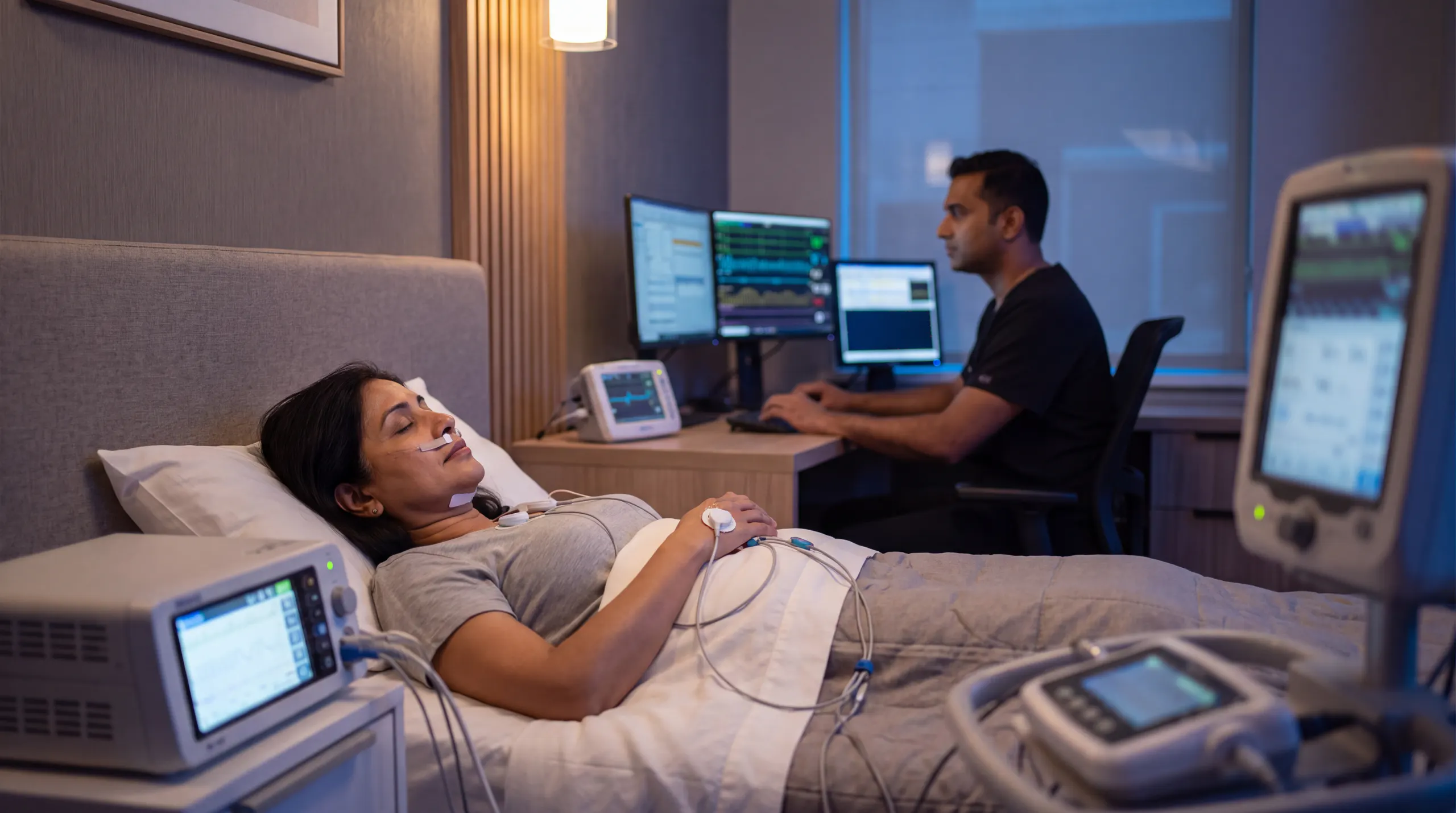
Beyond general practitioners, sleep specialists can order a polysomnography (sleep study) if a physical disorder is suspected, and many are trained specifically in CBT-I, the most effective long-term insomnia treatment. Some clinics also offer medically supervised tapering programs for people looking to come off long-term sleep medication safely.
Wrap up

Having a pill to relieve short-term stress, grief, or recovery. Sedatives can be useful, but the problem occurs when a short-term tool becomes a long-term substitute. To break the cycle, it is about rebuilding conditions such as a light routine and a calmer nervous system. If you are getting natural sleep, this means you are leading a healthy life. The safer path is to plan with your doctor and pair it with the habits above, and stop on your own.
Comments · 0 comments
Nothing yet. Yours would be the first.