

How to Maintain Good Sleep Hygiene: 10 Healthy Habits
10 science-backed daily adjustments to reset your circadian rhythm and wake up energized.


How to Maintain Good Sleep Hygiene
Tired throughout the day but struggling to fall asleep at night? Or do you wake up exhausted even after spending eight hours in bed? The problem is your habits, which are affecting your sleep routine.
Habits, behaviours, and environmental conditions matter to a good night's sleep. Healthy sleep hygiene lets your body rest and develop a healthy sleep cycle. A sound sleep is important to maintain physical health and emotional wellbeing. In this way, productivity also improves.
The good news is that improving your sleep does not always require major lifestyle changes. Small, consistent adjustments to your daily routine can make a significant difference. Here are ten practical ways to maintain good sleep hygiene and enjoy more restful nights.
1. A Consistent Sleep Schedule is Necessary
To improve sleep hygiene, the most effective way is to maintain the right sleep schedule. Waking up at a regular time helps you to regulate your body’s internal clock, which is also known as circadian rhythm.
One of the most effective ways to improve sleep hygiene is to maintain a regular sleep schedule. Going to bed and waking up at approximately the same time every day helps regulate your body's internal clock, also known as the circadian rhythm.
If you are having irregular sleep hours, there is a possibility that you are waking up restlessly. So, it is important to maintain a consistent schedule on weekends. This allows flexibility when required.
Most adults need around seven to nine hours of sleep each night. Choose a bedtime that gives you enough time to rest before your usual wake-up time.
Tip: Set a daily alarm for waking up and establish a relaxing bedtime reminder to help you follow your schedule.
2. Create a Sleeping Environment

Maintaining a sleep schedule and a sleep-friendly bedroom plays a major role in your daily routine. An uncomfortable room interrupts your rest and makes it harder to fall asleep. A noisy or bright room can disrupt your sleep cycles.
Create a sleep-friendly environment by keeping your bedroom dark, quiet, and comfortably cool. Use curtains to block outside light, earplugs to reduce noise, or a fan for gentle background sound if needed.
Choose a comfortable mattress and pillow that support your sleeping position. Keep your bedding clean and arrange your room in a way that makes it feel peaceful and relaxing.
Tip: Reduce unnecessary clutter around your bed and reserve your bedroom primarily for sleep and relaxation.
3. Limit Screen Time Before Bed

Smartphones and laptops are becoming a part of our bedtime routine. Using them late at night can disrupt your sleep. In fact, it stimulates the brain and keeps you mentally engaged.
When we get radiation from electronic screens, our body produces a natural hormone, melatonin, which regulates sleep cycles.
Hence, try to stop using electronic devices at least 30–60 minutes before bedtime. Instead choose activities such as physical book, listening to music or doing gentle exercises.
Tip: Keep your phone away from your pillow and silence unnecessary notifications during the night.
4. Mindfulness with Caffeine and Nicotine

Caffeine is found in coffee, tea, and energy drinks and increases alertness. Even sometimes makes it hard to get a sound sleep. This is especially true when taken late in the day.
Nicotine is a kind of stimulant that can affect sleep timing. If you are struggling to fall asleep, review your consumption of both substances.
Avoiding caffeine for at least six to eight hours before bed may reduce wakefulness or tiredness after sleep.
But if you really enjoy evening beverages, consider having warm milk or a non-caffeinated herbal infusion.
Tip: Remember that black tea and green tea also contain caffeine, so try to avoid them before going to bed.
5. Eat Light Meals at Night

Your eating habits influence your comfort at bedtime. Heavy meals or spicy food items cause indigestion, bloating, or acid reflux in some people. So, before going to bed, try to eat a meal two to three hours before. A balanced dinner is necessary and can include vegetables, whole grains, and a source of protein.
Going to bed extremely hungry may also make it difficult to sleep. If you feel hungry before bedtime, a small snack such as a banana, plain yoghurt, or a small serving of nuts may help.
Avoid drinking excessive amounts of fluid immediately before bed, as this may increase nighttime bathroom visits.
Tip: Focus on balanced meals throughout the day rather than relying on food or drinks marketed as quick sleep solutions.
6. Exercise Regularly During the Day
Regular physical activity supports overall health and can improve sleep quality. Activities such as walking, cycling, swimming, yoga, and strength training can help you feel physically relaxed and support your natural sleep-wake cycle.
You do not need an intense workout to benefit. Even a daily walk can be a useful starting point.
Try to exercise consistently and pay attention to how your body responds. Vigorous exercise close to bedtime may make some people feel more alert, although others tolerate it well.
If you prefer exercising in the evening, consider gentle stretching or relaxing yoga poses as part of your wind-down routine.
Tip: Aim for regular movement throughout the week and avoid making exercise another source of pressure in your daily life.
7. Develop a Relaxing Bedtime Routine

Stress, overthinking, and unfinished tasks can make it difficult to switch off at night. A relaxing bedtime routine signals to your body that it is time to slow down.
Spend the last 30 minutes before bed doing calming activities. You could take a warm bath, read a book, practise meditation, listen to gentle music, or write down your thoughts in a journal.
If worries about the next day keep you awake, make a simple to-do list earlier in the evening. This can help you organise your thoughts without trying to solve every problem at bedtime.
Slow breathing and mindfulness may also help reduce tension and promote relaxation.
Tip: Choose two or three activities that you genuinely enjoy and repeat them regularly.
8. Limit Long or Late Afternoon Naps
Short naps can improve alertness, particularly after a poor night's sleep. However, long or late afternoon naps may reduce your natural sleep drive and make it harder to fall asleep at night.
If you need a nap, try limiting it to around 20 minutes and take it earlier in the afternoon.
Pay attention to your individual needs. If you frequently feel extremely sleepy during the day despite getting adequate nighttime sleep, consider discussing the problem with a healthcare professional.
Tip: Use daytime naps as an occasional support rather than a replacement for sufficient nighttime sleep.
9. Get Natural Daylight in the Morning

Exposure to natural light helps regulate your circadian rhythm and supports the body's natural sleep-wake cycle.
Try to spend some time outdoors in the morning, perhaps by taking a short walk, having breakfast near a bright window, or sitting outside for a few minutes.
During the day, remain physically active and seek regular exposure to daylight. In the evening, reduce bright lighting as bedtime approaches to create a smoother transition towards sleep.
If your work schedule or natural sleep pattern differs from the usual routine, focus on maintaining consistency and obtaining light exposure at an appropriate time for your schedule.
Tip: Combine daytime light exposure with a regular wake-up time to support a more stable sleep routine.
10. Know When to Seek Professional Help
Occasional sleep difficulties are common. However, persistent problems may indicate an underlying sleep disorder or another health concern.
Consider speaking with a healthcare professional if you regularly struggle to fall asleep, wake up repeatedly during the night, wake too early, or feel unrefreshed despite getting enough sleep.
Loud snoring, gasping during sleep, and excessive daytime sleepiness also deserve medical attention. A professional can help identify possible causes and recommend suitable treatment.
Avoid starting sleeping pills, supplements, or other sleep-related medicines without appropriate medical advice. Persistent insomnia may benefit from cognitive behavioural therapy for insomnia (CBT-I), an evidence-based treatment that addresses habits and thoughts that contribute to sleep difficulties.
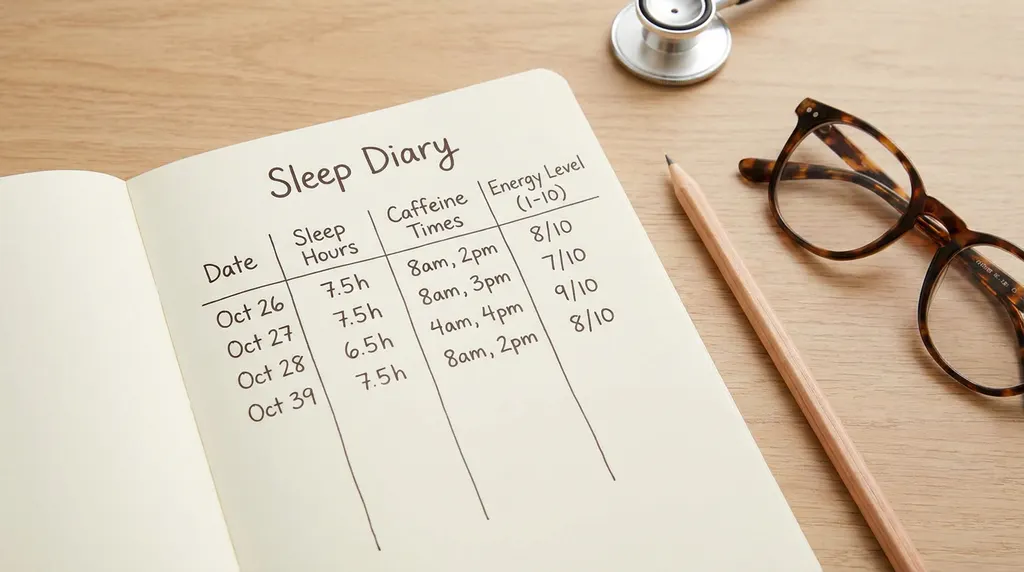
Tip: Keep a sleep diary recording your bedtime, wake-up time, caffeine intake, naps, and nighttime awakenings. This information may help you and your healthcare professional identify patterns.
Conclusion
Maintaining good sleep hygiene is about creating consistent habits that support restful, restorative sleep. Following a regular sleep schedule, creating a comfortable bedroom, limiting late-night screen use, eating balanced meals, exercising regularly, and developing a calming bedtime routine can all contribute to better sleep.
Remember that improving sleep takes time. You do not need to change everything at once. Start with one or two manageable habits and gradually build a routine that works for your lifestyle.
Good sleep is not a luxury; it is an important part of maintaining your physical health, mental well-being, and everyday quality of life. By making sleep a priority, you can take a meaningful step towards feeling more refreshed, focused, and energised throughout the day.
Related articles


How to Maintain a Healthy Sleep Schedule That Sticks
Struggling with irregular sleep? Discover 8 practical steps to fix your circadian rhythm, create a calming wind-down ritual, and maintain a consistent sleep routine.


How to Choose a Sleep Supplement: 5 Things to Check
Confused by endless sleep aids? Discover the 5 essential factors to check before buying an Ayurvedic, non-habit-forming sleep supplement for restful sleep.


10 Gentle Yoga Poses for Better Sleep: Bedtime Routine
Can't switch your mind off at night? Practice these 10 gentle bedtime yoga poses to release physical tension, calm your racing mind, and drift into deep sleep.
Comments · 0 comments
Nothing yet. Yours would be the first.