

What to Eat & Avoid Before Bed for Better Sleep
Struggling to fall asleep? Learn how simple dietary shifts—from cutting hidden caffeine to drinking tart cherry juice—can transform your nightly sleep quality.


What to Eat, Drink, and Avoid Before Bed: Know Dietary Habits for a Good Sleep
Poor sleep can harm memory, concentration, and mood, and can raise the risk of depression. In fact, it may lead to severe health issues such as obesity, type 2 diabetes, heart disease, and high blood pressure. I researched advice from Johns Hopkins, which suggests that eating and drinking the right way can help your sleep.
1. Limit Caffeine
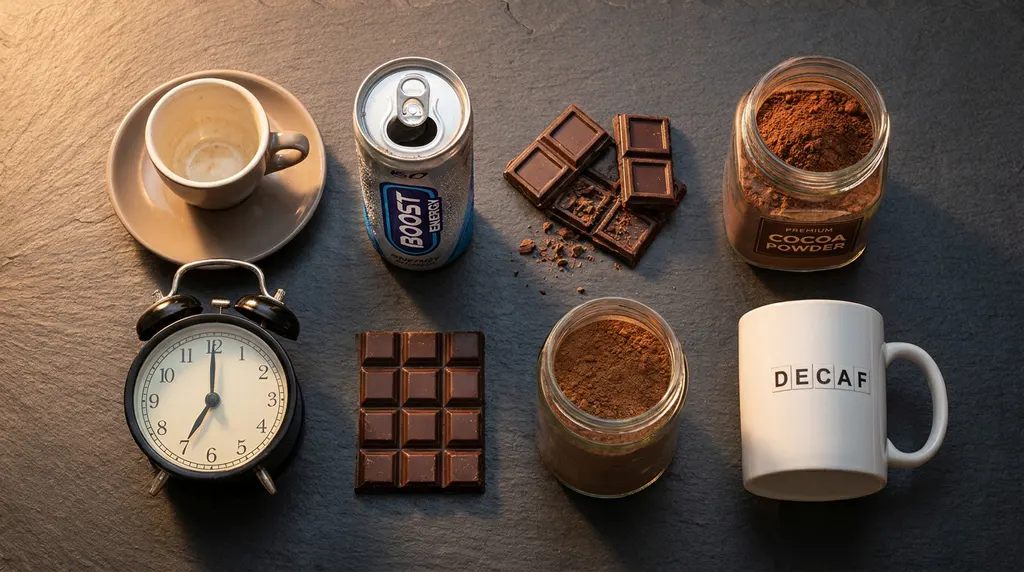
A strong coffee at 7 p.m. is absolutely a bad idea, but caffeine hides in more places than you might expect. Even our energy drinks and decaffeinated coffee and tea are not truly caffeine-free. A study from popular coffee shops found that some decaf brews contained more than 13 milligrams of caffeine in a 16-ounce serving, as much as some of those shops' caffeinated drinks. Products such as chocolate and cocoa, non-cola sodas, ice cream, and breakfast cereals are good options.
If you are struggling to sleep, having evening drinks is a good idea. You can also opt for Chamomile tea, since it contains green tea or Earl Grey.
2. Evening Drink
Evening drinks are like a sleep aid. According to research, healthy people drink alcohol to fall asleep faster and sleep earlier at night. But drinking alcohol may wake you to the most restorative stages of sleep. There are other symptoms, such as sleep apnea, and using it regularly may make you walk at night. Even research shows concerns such as sleep talking and memory problems.
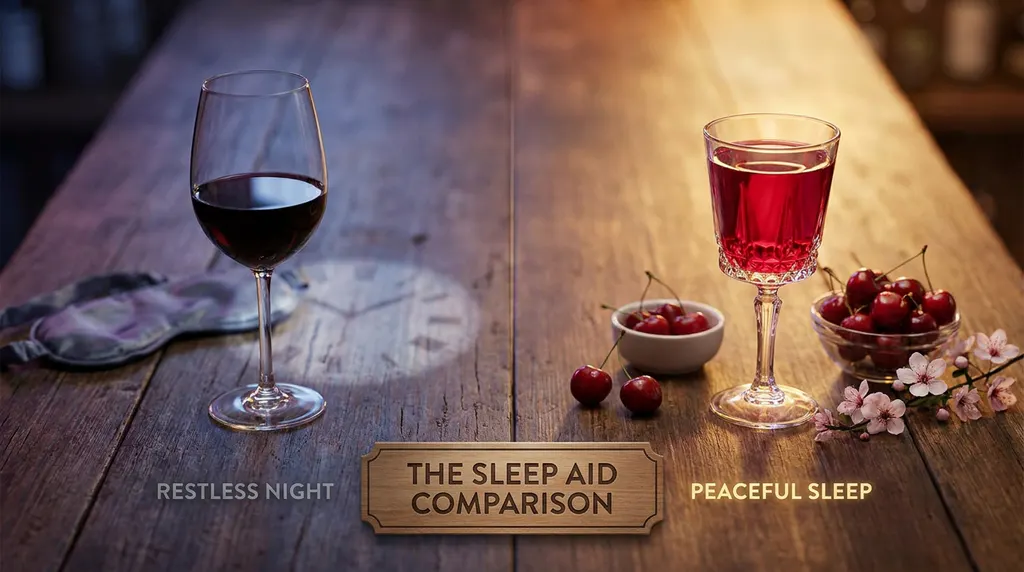
Pro tip: A better swap is a glass of tart cherry juice, a natural source of melatonin, the hormone that signals sleep.
3. Limit Spicy and Acidic Foods

Spicy food can trigger problems such as heartburn and acid reflux. It may worsen the conditions when you lie down. People who have sleep apnea and acid reflux can irritate the airway. Research shows that red pepper raises body temperature. This matters because that temperature naturally drops as you sleep.
Hopkins research advises avoiding spicy foods within three hours of bedtime. If you are having heartburn or indigestion, still you are consuming tomato sauce or acidic food. You are not doing right by your body!
4. Keep your meals light

How much time a meal takes to digest actually matters. High-protein foods such as steak and chicken take longer time to break down. Digestion slows up to 50 percent during sleep. Having the right meal before bed poses the same challenge. Aged or processed cheeses, salami, and pepperoni contain tyramine, which prompts the release of norepinephrine, a chemical that may stimulate the brain.
Fat plays a vital role as well. Having a high-fat diet for eight weeks led to sleeping in a more fragmented way at night and being excessively sleepy by day, which researchers linked to weight gain and reduced sensitivity to orexin, a brain chemical that helps regulate the sleep clock. It was an animal study, so treat it as a signal rather than a verdict for humans, but it fits the advice to keep evening meals modest.
5. Eat Foods That Help You Wind Down
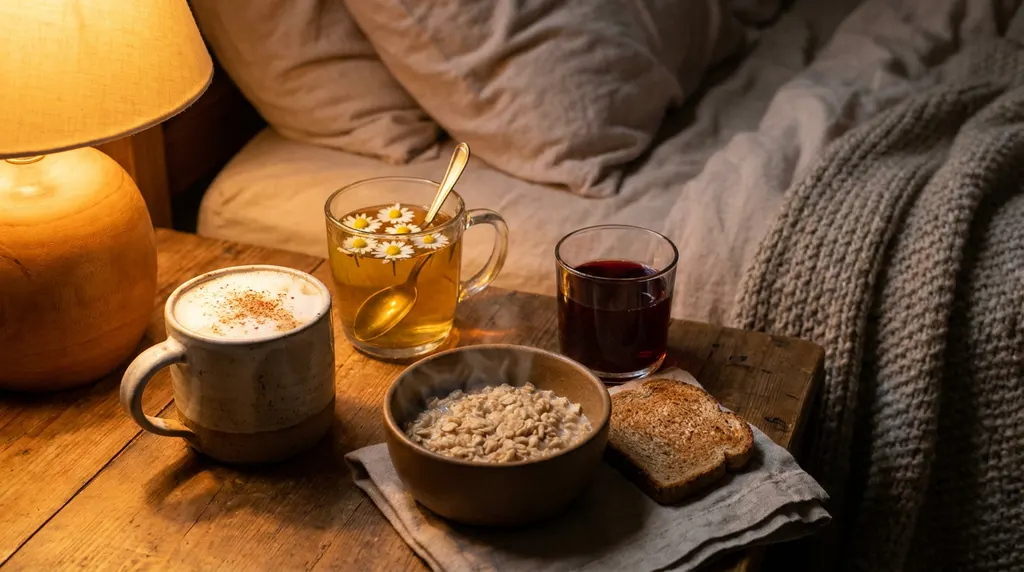
Some foods work in your favour. Complex carbohydrates, such as whole-wheat toast or a bowl of oatmeal, are a good bedtime choice. They trigger the release of serotonin, a brain chemical associated with sleepiness, and they digest quickly. Tart cherries are another helpful option, and Dr. Gamaldo says tart cherry juice may support melatonin production and a healthy sleep cycle.
6. Try a Warm, Caffeine-Free Bedtime Drink
Gamaldo recommends warm milk, chamomile tea and tart cherry juice to patients with sleep trouble. She is candid that there is not much scientific proof these drinks work, but she sees no harm in trying them, especially for people who want help without side effects or drug interactions.
There is some reasoning behind each. Warm milk has long been associated with chemicals that mimic tryptophan, a building block of serotonin, which is involved in the sleep-wake transition. Chamomile is believed to contain flavonoids that may interact with brain receptors linked to that same transition.
7. A Word on Melatonin Supplements
The brain naturally releases melatonin about four hours before we feel sleepy, triggered by falling light levels, and bright screens at night can interfere with that. Melatonin pills are sold over the counter, but because the FDA does not regulate them, dosages and ingredients can differ between brands. Gamaldo's advice is to stick with one brand and avoid unknown online sellers. It is wise to talk to your doctor before taking any supplement regularly.
A Simple Evening Plan
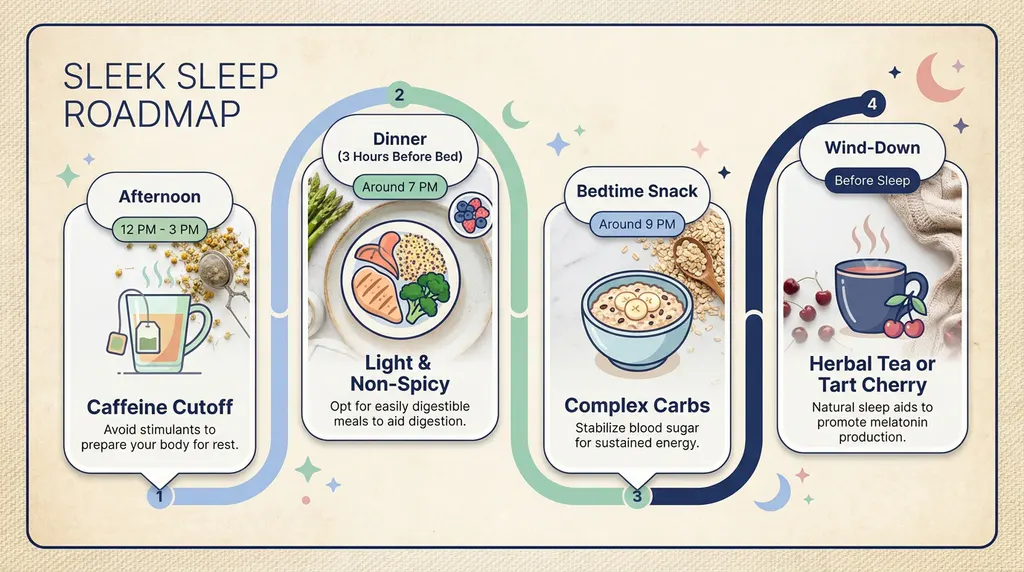
Afternoon: Choose caffeine-free drinks and check labels for hidden caffeine.
Dinner: Finish at least three hours before bed, with moderate portions and no spicy or very acidic dishes.
Bedtime snack: A small bowl of oatmeal or a slice of whole-wheat toast.
Wind-down drink: Warm milk, chamomile tea or tart cherry juice, instead of alcohol.
The Bottom Line
Better sleep does not require an overhaul of your life. Cut back on hidden caffeine, rethink alcohol, avoid spicy and heavy foods close to bedtime, and lean on light carbohydrates and soothing caffeine-free drinks. Give these changes a couple of weeks and see how you feel. If sleep trouble persists, or you suspect a condition such as sleep apnea, see a doctor, because diet can support good sleep but cannot replace medical care.
Related articles


How to Maintain Good Sleep Hygiene: 10 Healthy Habits
Tired of tossing and turning? Discover 10 practical sleep hygiene habits to optimize your bedroom, fix your routine, and enjoy restorative, unbroken sleep.


How to Maintain a Healthy Sleep Schedule That Sticks
Struggling with irregular sleep? Discover 8 practical steps to fix your circadian rhythm, create a calming wind-down ritual, and maintain a consistent sleep routine.


How to Choose a Sleep Supplement: 5 Things to Check
Confused by endless sleep aids? Discover the 5 essential factors to check before buying an Ayurvedic, non-habit-forming sleep supplement for restful sleep.
Comments · 0 comments
Nothing yet. Yours would be the first.