

10 Gentle Yoga Poses for Better Sleep: Bedtime Routine
Can't switch your mind off at night? Practice these 10 gentle bedtime yoga poses to release physical tension, calm your racing mind, and drift into deep sleep.


10 Yoga poses for better sleep
If you're tired from work but your mind is still racing. Three years ago, you planned for some big events or work, but it's still pending. Maybe you are failing because you are not exercising the right way.
Most of us struggle to switch off at night. We keep scrolling reels, but what if we take some time for gentle yoga before bed? For this, you need not be flexible or need special equipment. A comfortable mat, pillow, or a quiet corner is enough.
Why yoga helps you to sleep
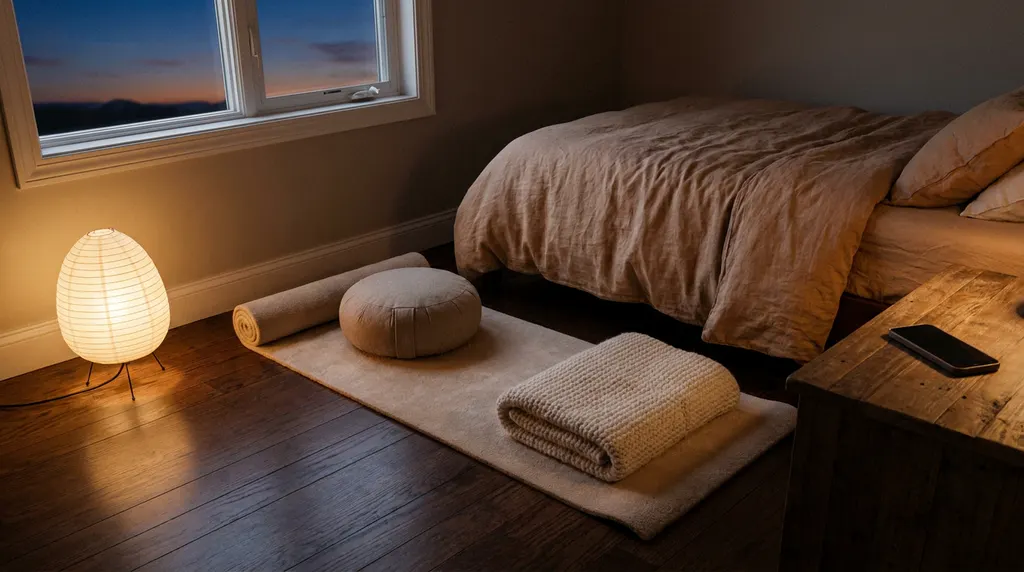
As per research, poor-quality sleep can make your pain worse. So, whenever you feel stressed, your body stays in alert mode. In this way, your heartbeat keeps getting faster, and breathing becomes shallow. To combat this, you need slow stretching and deep breathing to get your body into relaxation mode. This also keeps your mind quieter and calm.
Yoga also makes you more aware of your body. You start noticing where you hold tension, like your jaw, shoulders, or lower back, and you learn to let go. Yoga won't fix every sleep problem, but many people find it a simple, calming way to end the day.
10 gentle poses to try before bed
Of course, you do not want to be a Kumbhkaran of your story; here are some yoga poses that you can try. We have mentioned some yoga poses that will take your less time. Each pose will take you hardly 1-2 minutes, and you can do this with ease.
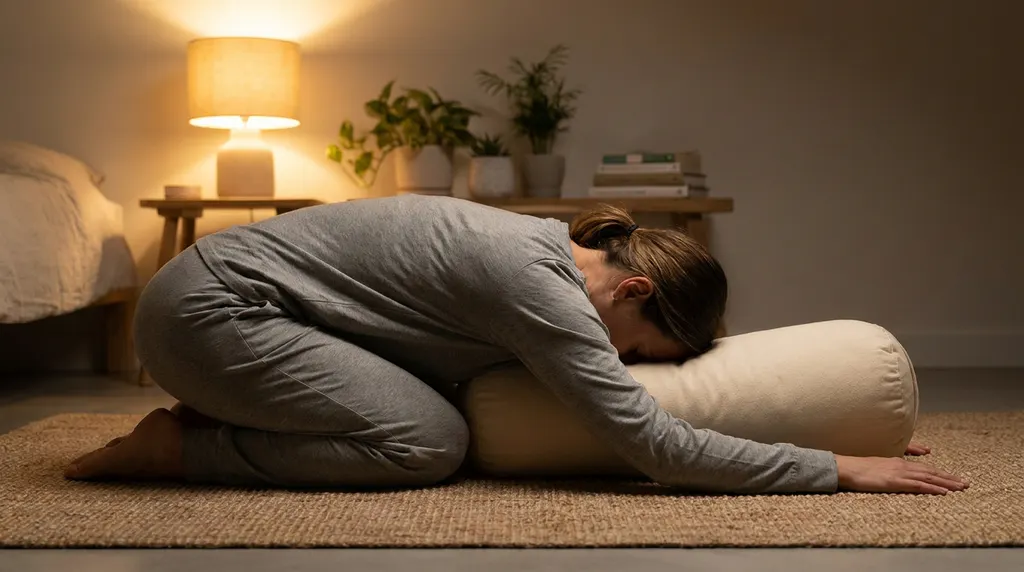
1. Child's Pose (Balasana) (1-3 minutes)
If you are spending most of your time sitting, this pose will help you to bring openness to your body.
How to do it:
Kneel on the floor.
Sit back on your heels and fold forward, resting your forehead on the mat.
Stretch your arms ahead or keep them by your sides.
This pose gently stretches your back and hips and is a lovely way to start.
2. Cat-Cow (Chakravakasana) (1 minute)
Cat and cow pose helps in improving posture and balance. This brings the spine into extension and gives flexibility to your stretch.
How to do it:
Come onto your hands and knees.
As you breathe in, lift your chest and let your belly drop.
As you breathe out, round your back like a cat.
Repeat slowly. It warms up a stiff spine, especially after a long day at a desk.
3. Standing Forward Bend (1 minute)
In Sanskrit, this pose is known as ‘Uttanasana’ and is a foundation of all yoga poses. This brings calmness to your mind.
How to do it:
Stand with your feet hip-width apart and fold forward from your hips.
Bend your knees as much as you like and let your head hang heavy.
It eases tight hamstrings and a tired back.
Rise slowly when you're done so you don't feel dizzy.
4. Happy Baby (Ananda Balasana) (1-2 minutes)
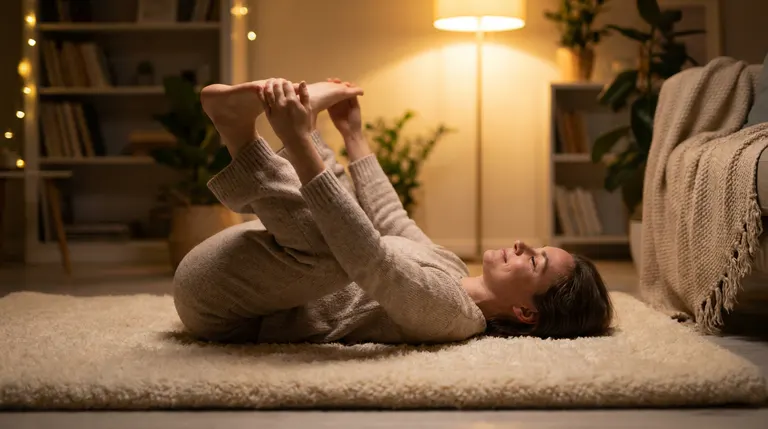
‘Ananda’ means calmness and ‘bala’ means baby. Happy Baby releases relaxation and flexibility.
How to do it:
Lie on your back, bring your knees toward your chest.
Hold the outsides of your feet.
Gently rock side to side.
It opens your hips and lower back, and yes, it's as silly-looking as it sounds. This helps you relax.
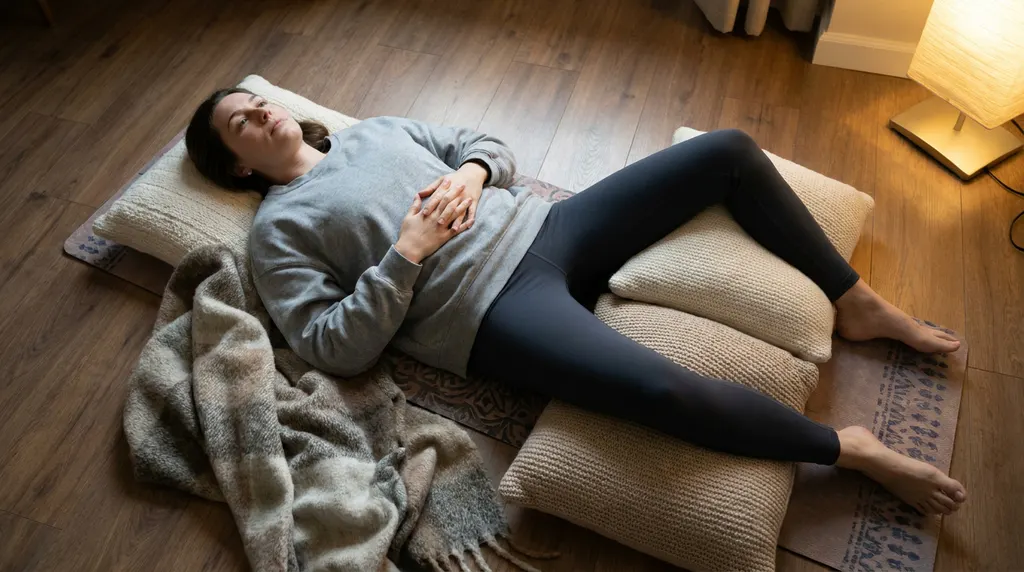
5. Reclining Bound Angle (Supta Baddha Konasana) (3-5 minutes)
Reclining Bound Angle pose, also known as Reclining Cobbler Pose, helps open the hips and calms the nervous system.
How to do it:
Lying on your back, bring the soles of your feet together and let your knees fall open.
Rest your hands on your belly.
Put pillows under your knees if the stretch feels too strong. This one softens tight hips and helps you breathe slowly.
6. Reclining Hero (Supta Virasana) (1-3 minutes)
This intermediate yoga pose stretches the quadriceps, hip flexors, knees, and abdomen.
How to do it:
Kneel, sit between your feet and slowly lean back.
This is a deep stretch for the thighs and knees.
If you skip the knee trouble, lie back on a stack of pillows for support.
7. Supine Twist (Supta Matsyendrasana) (1-2 minutes per side)
This pose detoxifies internal organs and is one of the restorative spinal twists. In Sanskrit, Supta means “supine” and “Matsya” means ‘fish’.
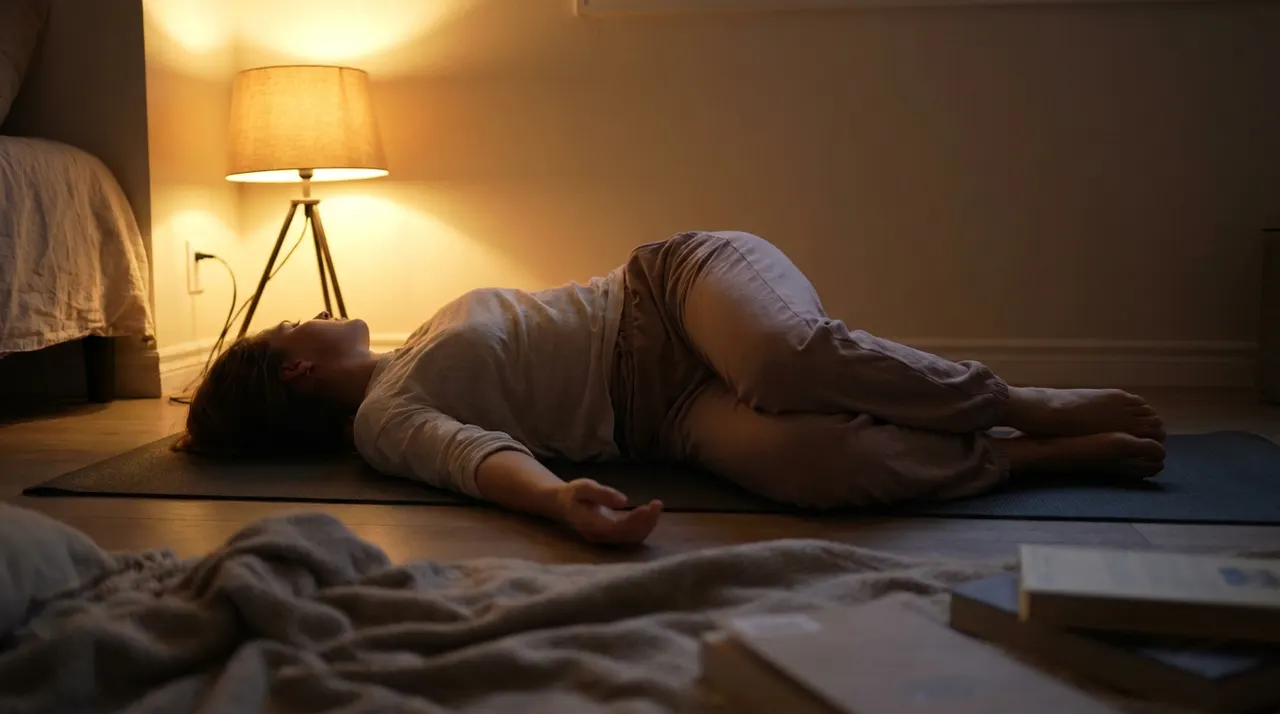
How to do it:
Lie on your back, hug your knees in.
Then drop both knees to one side while your arms stay stretched out.
Look the opposite way. Twists feel like a gentle wringing-out of the back and are great for releasing the day's tension.
8. Crocodile Pose (Makarasasana) (2-3 minutes)
Crocodile pose flattens your stomach and helps in releasing tension and relaxing your body.
How to do it:
Lie on your stomach and rest your forehead on your stacked hands.
Let your belly press softly into the floor as you breathe.
Many people find this deeply calming because it encourages slow belly breathing.
9. Legs-Up-the-Wall (Viparita Karani) (5-10 minutes)
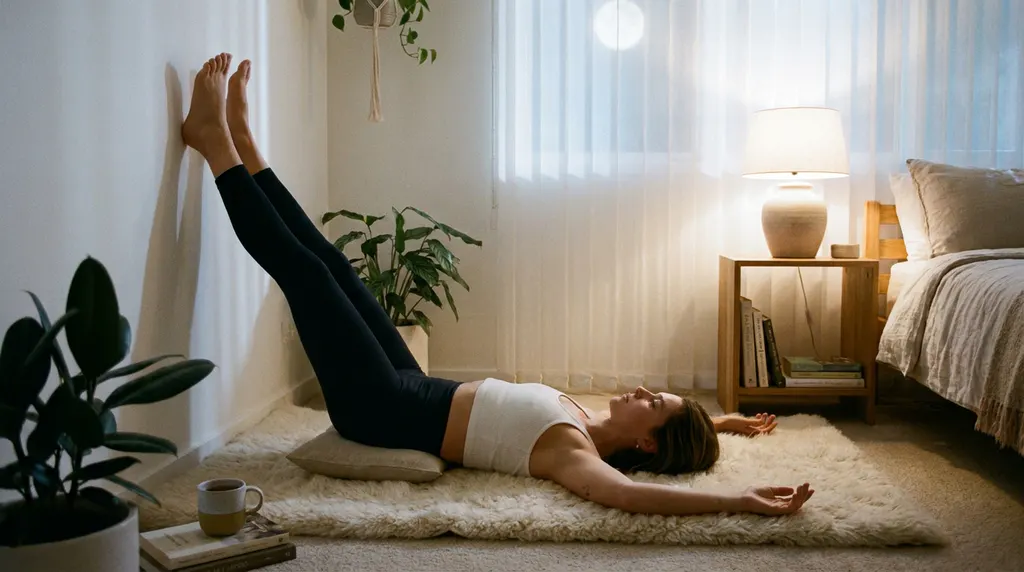
If you are doing this, your circulatory system will thank you. Your torso and head lie on the ground, inverted up the wall.
How to do it:
Sit sideways next to a wall, then swing your legs up as you lie back.
Let your arms rest by your sides.
This is a favourite for people who stand or walk a lot, as it relieves heavy, tired legs and quiets the mind.
10. Corpse Pose (Savasana) (5-10 minutes)
This particular yoga pose is a restorative and meditative yoga posture that involves lying flat on the back.
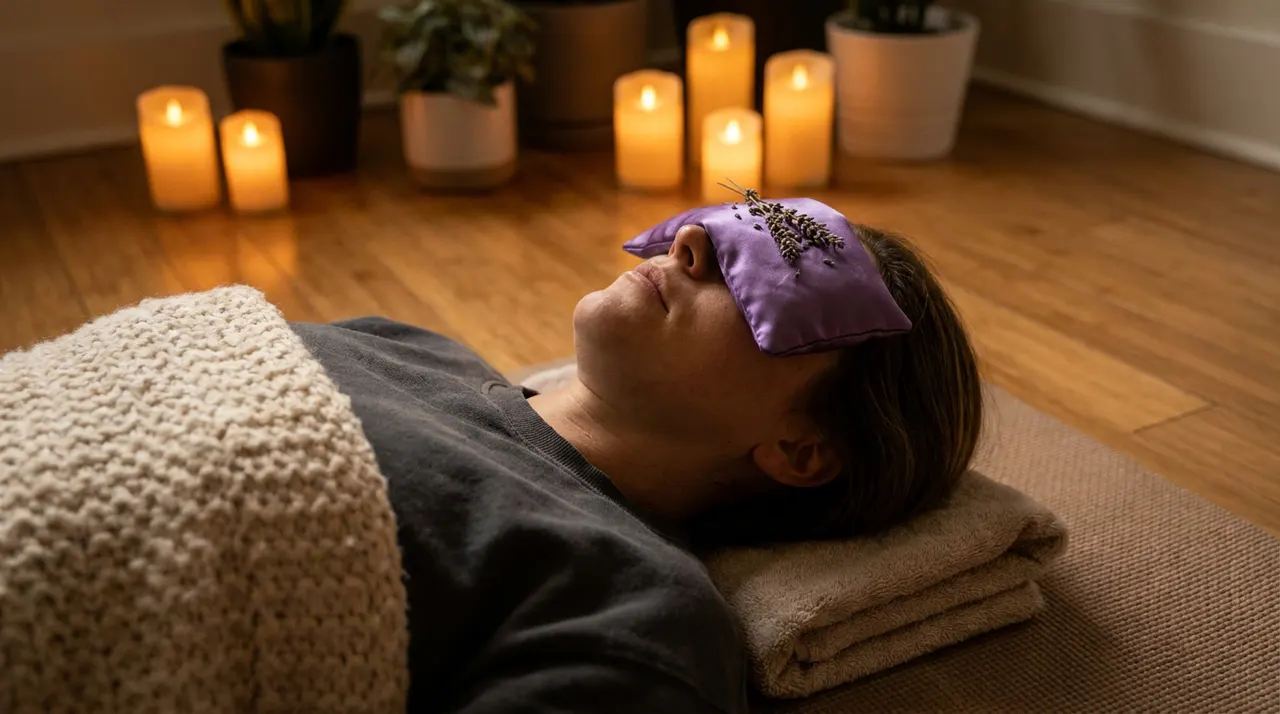
How to do it:
Lie flat on your back, legs slightly apart, palms facing up.
Close your eyes and relax one body part at a time, starting from your toes.
It may look like doing nothing, but it's the most important pose of all. Many people drift off right here.
Read on for tips to get the most out of it
Pick a regular time and stay consistent to it.
Even 10 to 15 minutes works of regular workout is enough.
Switch off bright screens and keep the room cool and quiet.
Stretching is necessary. Yoga should feel comfortable. Sharp pain means stop.
Check your breathing patterns. If your mind wanders, gently bring it back to breathing in and out.
Use props such as pillows, folded blankets, and cushions to make poses easier and more relaxing.
A word of care
Yoga is truly safe, but it is also important to listen to your body. But if you're pregnant, have knee, back, or blood pressure problems, or are recovering from an injury, check with your doctor or a trained yoga teacher first.
And remember that if you are struggling with sleep for weeks despite good habits, it's worth speaking to a doctor, since yoga isn't a replacement for medical advice.
Wrap up:
Better sleep comes with one big change. Ten quiet minutes on the floor, a few slow breaths, and a body that finally lets go can make a real difference. Try it for two weeks and see how you feel. Sweet dreams!
Related articles


How to Maintain Good Sleep Hygiene: 10 Healthy Habits
Tired of tossing and turning? Discover 10 practical sleep hygiene habits to optimize your bedroom, fix your routine, and enjoy restorative, unbroken sleep.


How to Maintain a Healthy Sleep Schedule That Sticks
Struggling with irregular sleep? Discover 8 practical steps to fix your circadian rhythm, create a calming wind-down ritual, and maintain a consistent sleep routine.


How to Choose a Sleep Supplement: 5 Things to Check
Confused by endless sleep aids? Discover the 5 essential factors to check before buying an Ayurvedic, non-habit-forming sleep supplement for restful sleep.
Comments · 0 comments
Nothing yet. Yours would be the first.